I recently had a new long range shooter ask me, if a $300 scope has the same features as a $3,000 one, why spend the price of a mortgage payment on glass?
Today, we’re breaking down what you’re really paying for—and why some rifle scopes cost way more, even when they seem similar on paper. Some of these might surprise you… and might even save you from wasting money on the wrong scope.
1. Glass Quality
No surprise here—the first thing you’ll notice in any scope? Glass quality.
High-end optics use better glass and coatings, which directly impact clarity, brightness, color accuracy, and chromatic aberration (that weird color fringing you sometimes see).
Optics have a wide range of light transmission ability but some high-quality optics boast light transmission rates greater than 90%, meaning they allow more light to pass through with minimal loss. The more light that reaches your eye, the brighter and clearer your sight picture.
For daylight plinking, budget glass might be fine. But for low-light, long-range, or precision shooting, the difference is massive—not just in how things look, but in how well you can actually hit your target.
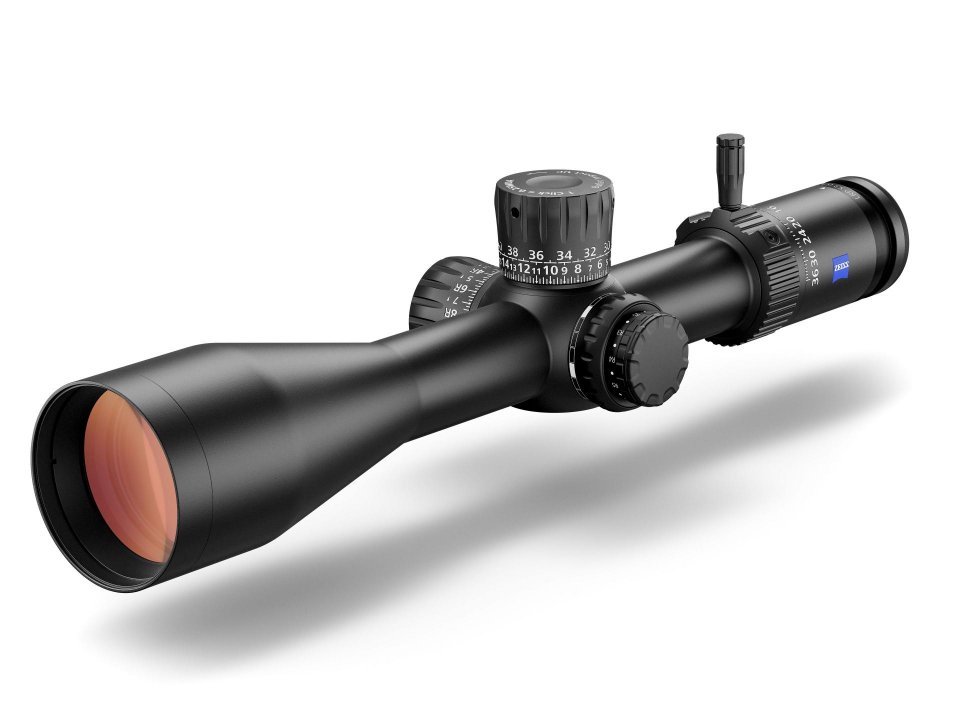
That doesn’t mean you need to drop $5K on a ZCO and live in your truck, but upgrading from $250 to $800 is a game-changer.
You’ve probably heard about differences between Philippine, Chinese, Japanese, and German glass. If you want to see the real difference? Compare scopes in person. Scope cams and pictures just don’t tell the full story and the different regions produce widely different qualities of glass within the same regions.
2. Durability
Back in sniper school, a buddy dropped his rifle off a truck onto pavement—scope first. Right before a test that could fail him out.
I was sure that scope was done for… and maybe him, too.
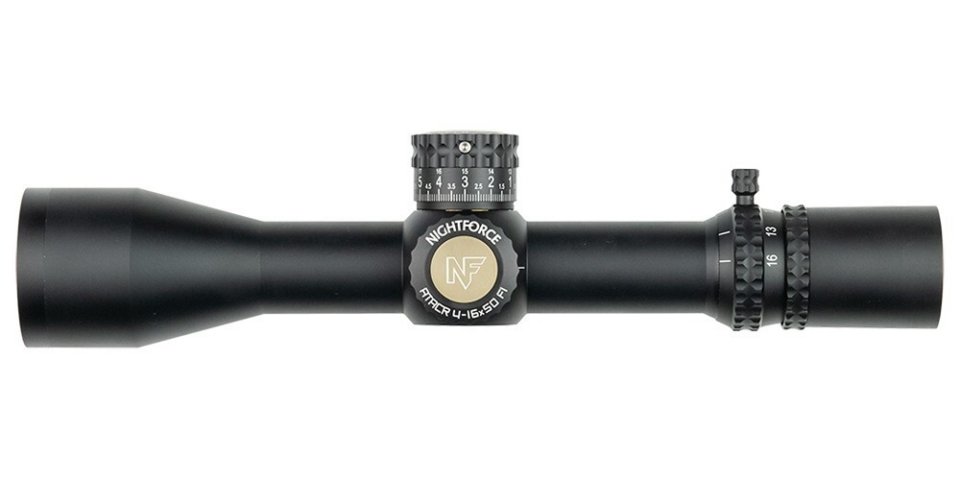
The scope? Scuffed. Badly. But that Nightforce didn’t shift zero—not even a click. And while the test may have still been rough, it wasn’t the rifle’s fault.
Durability and reliability are major factors in optic pricing. For example, Nightforce scopes undergo extreme testing: they are pressure tested to 120 psi, subjected to a thermal shock cycle from -40°F to 158°F, and recoil tested at accelerations exceeding 1,250g’s. Cheap and even mid-range scopes wouldn’t have survived that fall. And buying budget scopes twice doesn’t actually save you money.
If you hunt, compete, or actually use your rifle hard, spending more means trusting your optic when it’s time to take the shot.
3. Warranties
No scope is bulletproof—but some warranties act like they are.
You’re not just paying for a scope—you’re paying for its warranty and peace of mind.
If you called some manufacturers and told them your scope got lodged in your colon and was damaged during surgical removal… they’d block your number.
Others, like Vortex, would probably send you a replacement before you got out of the hospital. And let you keep the previously colon-lodged optic as a souvenir.
4. Precision & Tracking
Growing up, you didn’t just randomly spin your turret for shits and giggles. Once your rifle was zeroed, you left it alone.
Today, I know a good optic is a precision tool. If you dial 6 MILs up and .5 MILs right, it better move exactly that—no more, no less.
I once had a student bring in a no-name Amazon special to a long-range class. Great glass, all the premium features… but every time we dialed up, it also dialed right. Randomly.
Try hitting long-range targets with that.
Higher-end optics have tighter quality control and more precise tracking. Some brands, like Athlon, have been tested with extremely tight margins of error—even in their budget-friendly scopes—and track near flawlessly.
While optics makers keep much of their testing standards and tolerances as proprietary information, you should expect a high end scope to have less than 1% error in tracking, budget options may not come anywhere near that standard though.
Want to easily test your optic’s tracking? Look up “scope tracking test”—plenty of videos show you how.
5. Other Factors That Drive Up Cost
There are plenty of other reasons why some optics might cost more, like:
- OEM (Original Equipment Manufacturer) Parts & In-House Manufacturing – Some high-end brands control almost every step of production, leading to better consistency and long-term quality. But that extra control? It costs more. More work goes into designing, testing, and perfecting these parts.
- Lightweight Materials & Compact Designs – Some scopes cost more simply because they’re lighter or more compact—without sacrificing durability or precision. Better materials = higher price. Pretty straightforward.
- Reticle Design – The latest reticles cost money to develop. It doesn’t necessarily cost more to laser-etch a new design, but if you want the latest and greatest, expect to pay a little more.
If you think I missed anything or got something wrong, let me know in the comments.
6. Final Thoughts: Is an Expensive Scope Worth It?
It used to be a rule of thumb to spend as much or more on your optic as you did on your rifle.
That’s not always true anymore. Optics have come a long way, and while I still recommend spending as much as your budget can handle, most shooters don’t need a top-tier optic for most tasks today.
But remember—glass should last you the rest of your life. So spend on that optic!
That said… if you do cheap out, you might end up with a scope that dials left when you dial up and explodes on impact with light wind.
Choose wisely.